The Blueprint for AI Co-Authorship: Inside WordPress Gutenberg 22.7
Beyond the Block: WordPress Prepares for the Agentic Shift
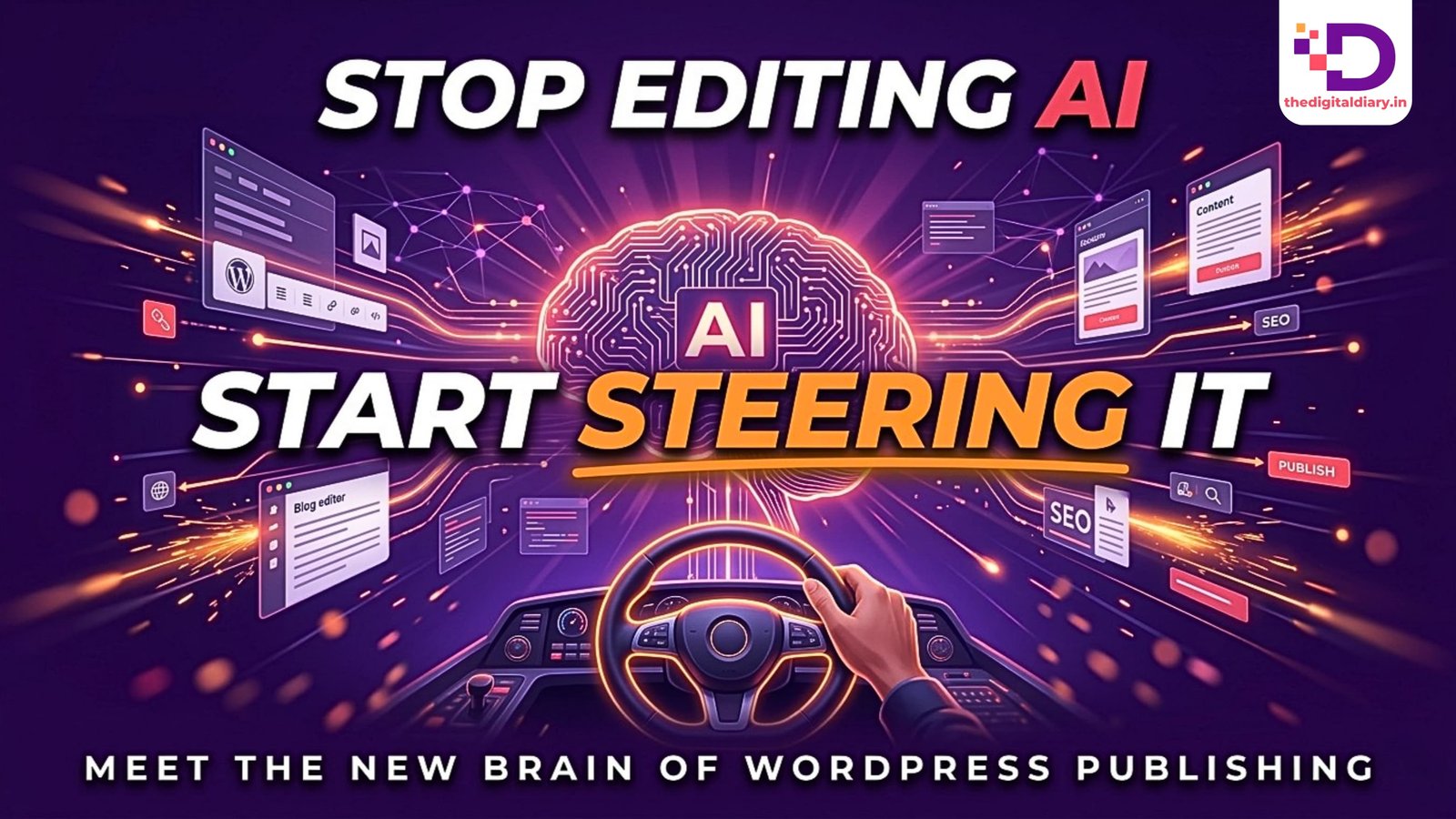
While much of the tech world is focused on standalone AI tools, WordPress is quietly rebuilding the very foundation of the web to accommodate autonomous publishing. The release of Gutenberg 22.7 isn't just another incremental update; it is a structural "handshake" between human creators and AI agents.
As we move deeper into the Eligibility Era, the goal of a CMS is no longer just to "host" content, but to "steer" it. Gutenberg 22.7 introduces the infrastructure needed to ensure that when AI helps you write, it stays on-brand, secure, and technically sound.
The Strategic Pillar: Site-Wide Content Guidelines
The most significant addition in 2026 is the new Content Guidelines feature. For years, brand voices, style guides, and linking practices lived in static PDFs or external wikis. Gutenberg 22.7 brings these "rules of engagement" directly into the WordPress database via a new custom post type and REST API.
Steering the Machine
This isn't just for human writers. By centralizing your brand’s voice, tone, and image standards, WordPress is creating a "Source of Truth" for AI assistants. Whether you are using a plugin or an external agent to draft a post, the AI now has a set of programmatic guardrails to follow.
Portability and Consistency
With new Import/Export capabilities for these guidelines, your brand’s "DNA" becomes portable. You can move your publishing standards across different environments or sites, ensuring that your content remains eligible for high-tier recommendations regardless of who—or what—is doing the writing.
The Connectivity Layer: Centralized AI Management
Gutenberg 22.7 introduces a dedicated Connectors admin page (Settings > Connectors). This is a major move toward Agentic Governance within the CMS.
-
Unified Credentialing: Instead of every plugin requiring its own API key, WordPress is moving toward a centralized hub for managing AI credentials and keys.
-
Plugin Extensibility: The update provides hooks for developers to build their own connectors, allowing for a more modular and secure AI ecosystem within the WordPress dashboard.
Refining the Visual Canvas: Technical Precision
While the AI features take center stage, the release also doubles down on the "Human-Grade" editing experience required for a professional digital presence.
Custom CSS Selectors for Blocks
Block developers can now define specific CSS selectors within block.json. This allows Global Styles to target inner elements of a block (like a specific link or span) rather than just the outermost wrapper. For high-end design, this level of granularity is essential for maintaining a unique visual brand.
Style Variation Previews
The editor now features live previews for style variation transforms. Users can see exactly how a change to a Heading or Button block will look before committing, reducing the friction in the creative process and ensuring layout stability.
A Unified Foundation for 2026
Gutenberg 22.7 proves that WordPress isn't just reacting to AI; it is designing the infrastructure for it. By integrating Real-Time Collaboration by default and building the Content Guidelines framework, WordPress is ensuring that the "Human-in-the-Loop" remains the ultimate authority, even as AI agents take on more of the publishing heavy lifting.
The era of the "dumb" text editor is over. The era of the Intelligent Publishing Engine has arrived.