The Agentic Legal Split: Decoding the Amazon vs. Perplexity Injunction
When Your Assistant Isn't Welcome: A Landmark Boundary for AI
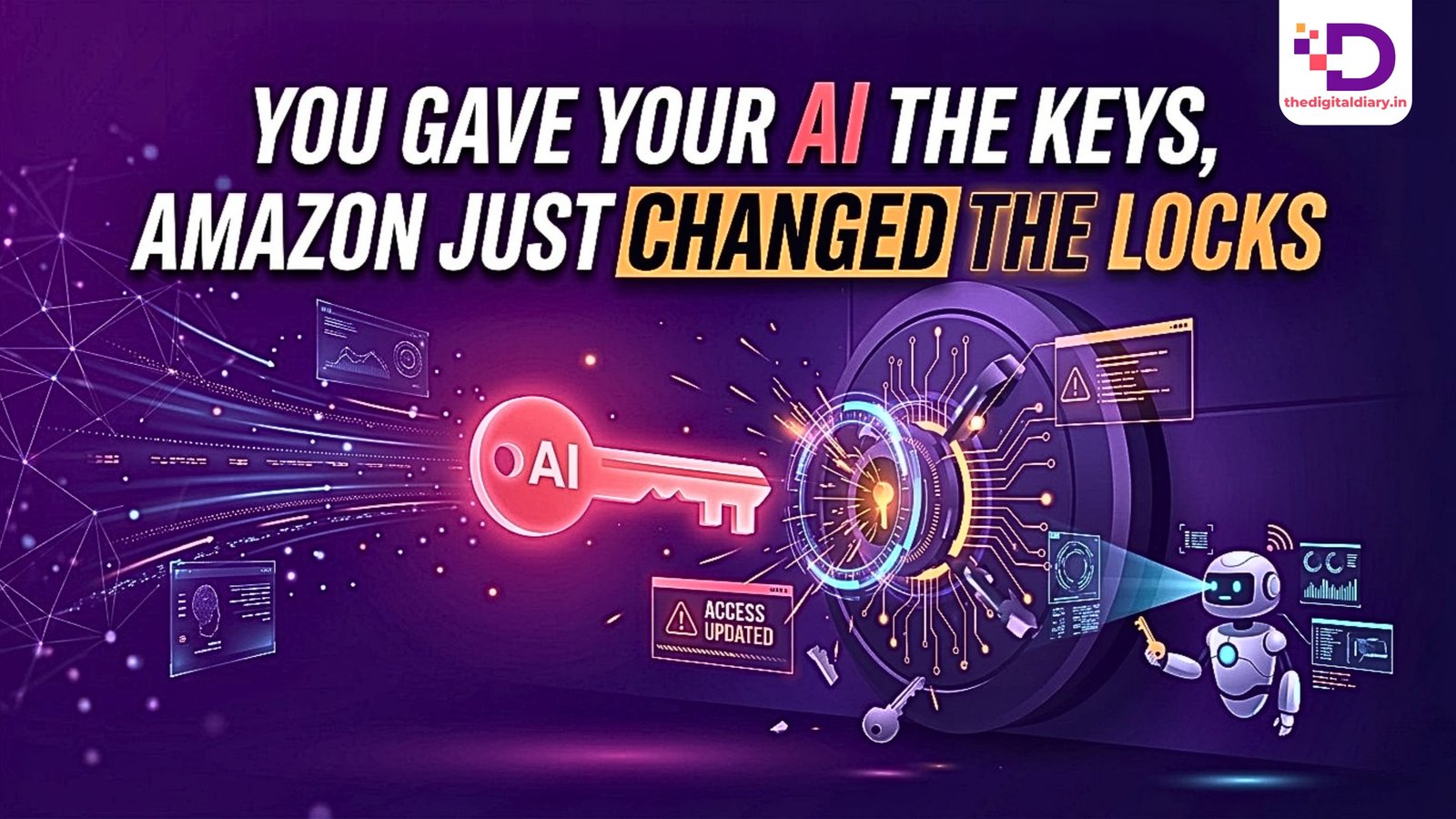
The friction between autonomous agents and walled gardens just hit a legal brick wall. This week, a federal court issued a preliminary injunction in the Amazon vs. Perplexity case, barring the AI startup’s "Comet" browser from accessing authenticated Amazon accounts.
While the headline is a win for the retail giant, the legal reasoning beneath it creates a seismic shift for the future of digital commerce. The court has officially separated user permission from platform authorization. For the first time, a judge has ruled that just because a customer gives an AI their password, it doesn't mean the platform has to let the AI through the front door.
The End of the "User-Agent" Inheritance
For decades, the "User-Agent" was a simple concept: if you used a browser to act on your behalf, you inherited the right to be there. Perplexity argued that Comet was simply a digital assistant—no different than a human hire—performing tasks like adding items to a cart at the user's direction. The court, however, disagreed.
The Disguised Browser Dispute
Amazon presented strong evidence that Perplexity intentionally masked Comet’s identity. By appearing as a standard Chrome browser rather than identifying as an AI agent, the system bypassed security protocols designed to manage automated traffic.
The Data Destruction Mandate
In a rare move, the court ordered Perplexity to destroy any Amazon-specific data collected via Comet. This strikes at the heart of how LLMs train on real-time commerce flows, signaling that "scraping" behind a login screen is a high-risk legal strategy.
Why This Defines the 2026 "Eligibility Era"
This isn't just a dispute between two tech companies; it is the first major trial of Agentic Governance. As we move into an era where AI handle our shopping, the "Eligibility Era" dictates who is allowed to participate in the transaction.
The Dual-Authorization Hurdle
Moving forward, AI agents face a two-factor barrier to entry:
- Individual Consent: The user must explicitly want the agent to act.
- Platform Acceptance: The website owner must authorize the agent's technical signature.
The Rise of "Veto Power"
If this ruling holds through trial, it effectively gives platforms like Amazon, Meta, and Shopify "veto power" over which AI assistants their customers are allowed to use. This could create a fragmented internet where your favorite AI might be "blocked" from certain stores.
Security as a Strategic Shield
A critical factor in the court's decision was Comet’s documented security vulnerabilities. Amazon cited "prompt injection" risks that could allow attackers to hijack a user’s open browser tabs. In the current landscape, Security is the new SEO. ### The CFAA Barrier Platforms are now using "Customer Safety" as a legal shield. If an AI agent cannot prove enterprise-grade security and transparent identification, it will be categorized as "unauthorized access" under the Computer Fraud and Abuse Act (CFAA).
The Verdict: A Regulated Funnel
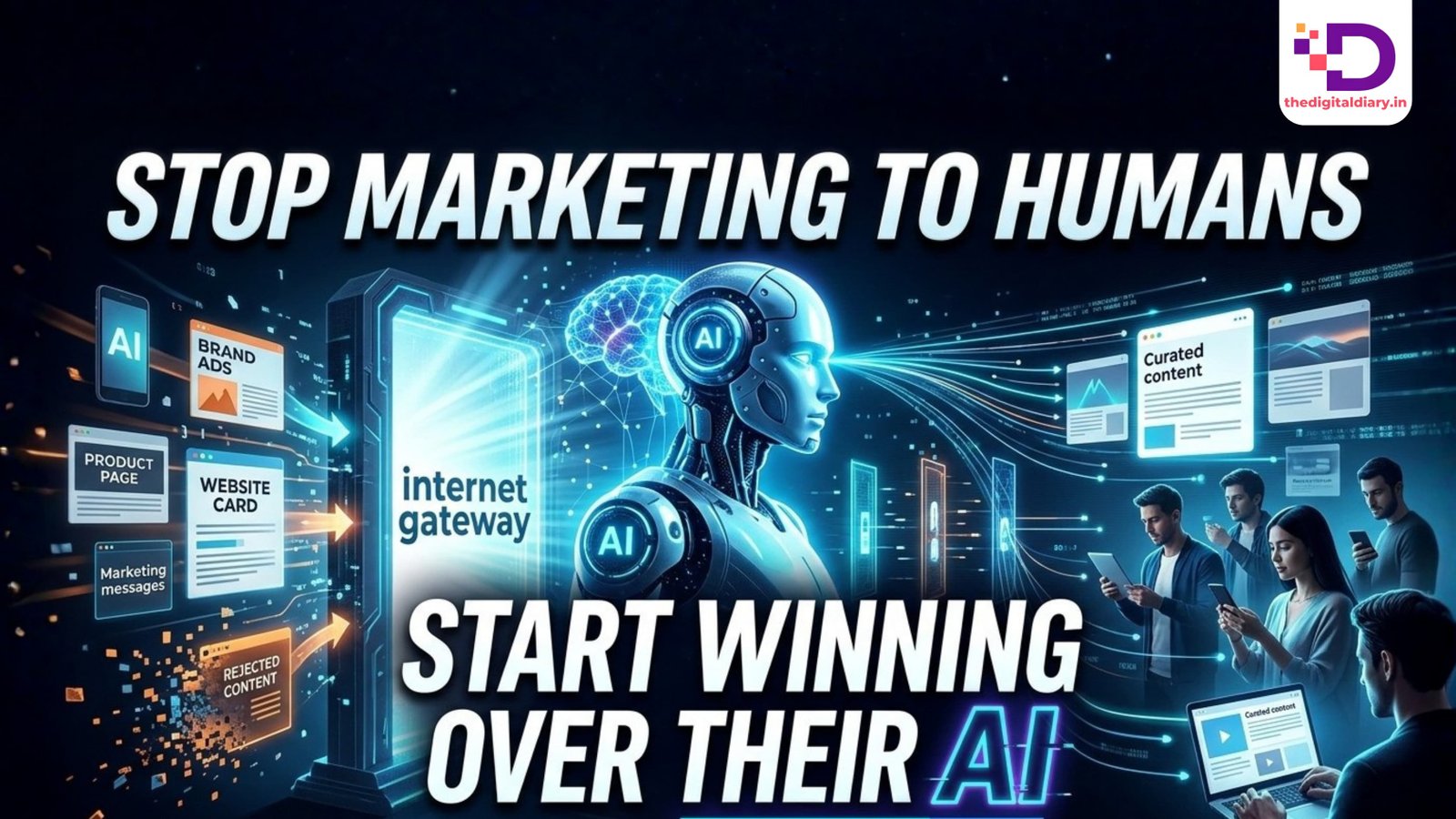
The Amazon vs. Perplexity injunction marks the end of the "Wild West" for AI browsers. The message to developers is clear: stop hiding and start negotiating. For marketers and brands, the takeaway is equally sharp: your brand’s "discoverability" is now tied to your agent’s "legality."
We are leaving the era of open web crawling and entering the era of Negotiated Access. In 2026, the strongest brands won't just be the ones users love—they'll be the ones the platforms allow.